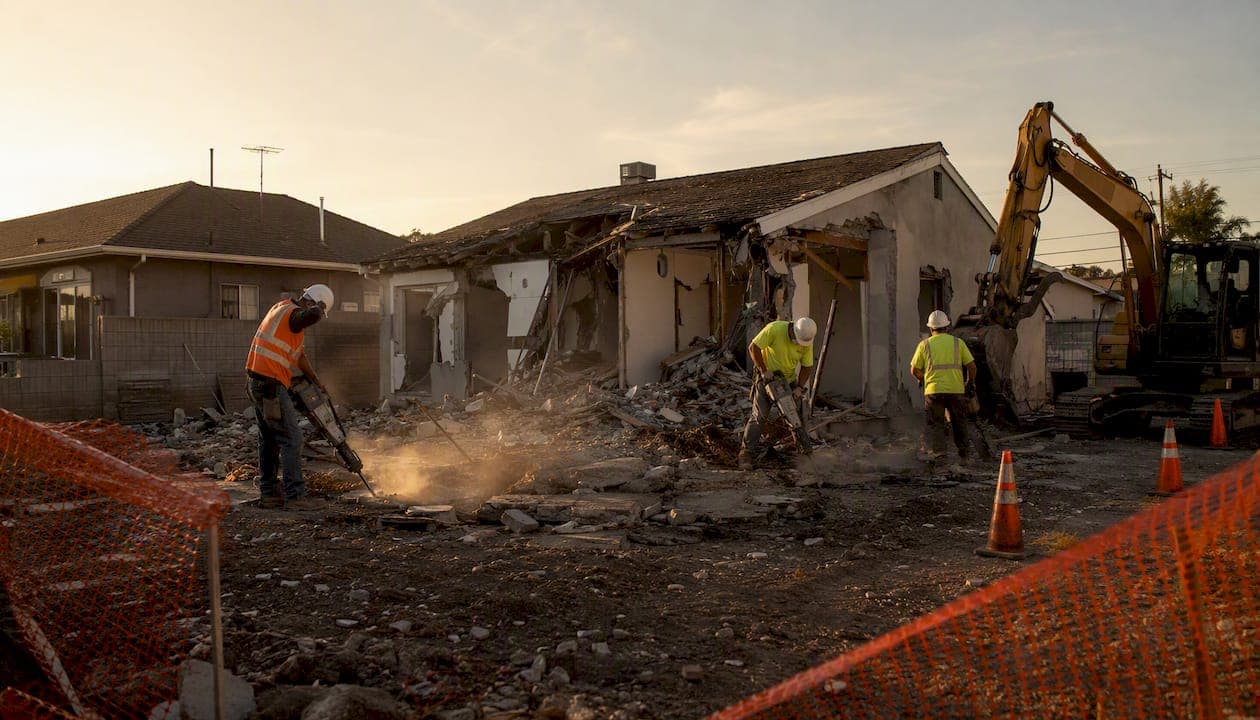
Hire a licensed, insured local full-service crew for any small-scale house demolition — sheds, decks, interior strip-outs, or concrete removal. That single decision covers permits, hazardous-material checks, hauling, and disposal receipts in one booking. If you only need haul-away after you've already done the loading, a roll-off dumpster rental is a solid, lower-cost alternative.
Before you call anyone, run through this quick checklist:
- Licensed and insured (general liability + workers' comp)
- Written estimate with scope, exclusions, and deposit terms
- Permit filing handled by the contractor
- Hazardous-material (asbestos/lead) testing offered or arranged
- Disposal receipts provided at job completion
- Same-day or next-day availability confirmed
Pro Tip: Ask for the contractor's license number before the site visit. You can verify it with your state contractor board in under five minutes — and it tells you immediately whether you're dealing with a legitimate operator.
Key takeaways
Small-scale house demolition goes smoothest when you hire a licensed, full-service local crew that owns every step from permits to disposal receipts.
| Point | Details |
|---|---|
| Hire licensed and insured | Verify general liability and workers' comp before anyone touches your property. |
| Confirm permit handling | Ask who files permits — contractors should own this step to avoid fines and delays. |
| Get disposal receipts | Receipts confirm compliant disposal and protect you from liability after the job. |
| Consider dumpster rental | Roll-off rental works well for haul-only jobs with no hazardous materials involved. |
| Dumpcosolutions | Offers full-service demolition, dumpster rental, and same-day hauling with upfront pricing and licensed crews. |
Table of Contents
- What does "house demolition" mean for this guide?
- How much does small-scale demolition cost, and how long does it take?
- What permits and safety checks should you expect?
- Which service model fits your project?
- What happens during a small-scale demolition project?
- What questions should you ask, and what are the red flags?
- How do you prepare your property before the crew arrives?
- Why a local, licensed full-service crew is always the right call
- Dumpcosolutions handles the whole job, start to finish
- Sources
What does "house demolition" mean for this guide?
This guide covers small-scale residential demolition and debris removal. That means the kinds of jobs a local crew can typically complete in a day or two without heavy engineering.
Included project types:
- Shed and outbuilding teardown
- Deck and porch removal
- Detached garage demolition
- Interior strip-outs (drywall, flooring, fixtures, non-load-bearing walls)
- Patio and concrete slab removal
- Small additions or sunroom teardowns
Not covered here: full structural house razing, where an entire primary structure is brought down and the foundation removed. That scope involves structural engineers, utility disconnection coordination at the municipal level, and specialized heavy equipment. If that's your project, contact a structural demolition specialist directly.
Most of the jobs in this guide run one to three days for a standard crew. Hazardous-material abatement or permit delays can extend that, but the core work is fast.
How much does small-scale demolition cost, and how long does it take?
Price and schedule both depend on a handful of variables. Knowing them helps you read a quote accurately and spot a bid that's suspiciously low.
Primary cost drivers:
- Project size and complexity (a 10×12 shed vs. a 600 sq. ft. deck)
- Site access for trucks and equipment
- Presence of asbestos or lead (testing and certified abatement add cost and time)
- Disposal method — recycling vs. landfill
- Permit fees (vary by municipality)
- Dumpster size and rental duration
- Crew size and equipment needed
Timeline expectations: Small sheds and interior strip-outs often qualify for same-day or next-day service. Most deck and garage removals wrap in one to three days. If asbestos testing comes back positive, abatement must happen before demo begins, which can add several days to a week depending on your local certified contractor's schedule.
Industry comparisons show that once you add equipment hire, dumpster rental, disposal fees, and potential repair costs, DIY projects often exceed the all-in price of a professional quote for the same scope.
| Cost Element | Typical Example Range | Notes |
|---|---|---|
| Roll-off dumpster rental | Varies by size and location | Varies by size (10–30 yard) and location |
| Landfill/disposal fees | Charged by weight or tonnage | Rates set by local facility |
| Permit fees | Varies by municipality | Contractor usually files |
| Hazardous-material testing | Additional cost if required | Certified lab or inspector |
| Full-service small demo (crew + haul) | Varies by scope | Get at least two written quotes |
All figures are approximate examples drawn from industry sources. Actual costs vary by location, scope, and current market rates.
Pro Tip: Get at least two on-site estimates, not phone quotes. A contractor who won't visit the site before pricing the job is guessing — and you'll pay for that guess later.
What permits and safety checks should you expect?
Permits are not optional for most demolition work, even small jobs. Many municipalities require a demolition permit for shed removal, deck teardown, or any interior work that touches structural elements. Licensed contractors are familiar with local filing requirements and handle submissions to avoid fines or project delays.
Typical permit and inspection requirements:
- Demolition permit (required in most jurisdictions for structural removal)
- Utility disconnection verification before work begins
- Inspection sign-off after completion in some municipalities
- Separate abatement permit if hazardous materials are found
Hazardous materials are the biggest safety variable. Homes built before 1980 commonly contain asbestos in insulation, floor tiles, or roofing, and lead in paint. Professional crews handle asbestos through certified abatement rather than leaving it to untrained workers. Skipping testing risks legal penalties and serious health exposure.
On insurance, request proof of both general liability and workers' compensation before anyone sets foot on your property. A responsible provider separates concrete, metal, wood, and hazardous waste for recycling or certified disposal, and gives you receipts to confirm compliant handling.
Pro Tip: Don't release final payment until you have disposal receipts in hand. If debris ends up at an unlicensed site, the liability can follow the property owner, not the contractor.
Which service model fits your project?
Three service models cover most small-scale jobs. Choosing the right one up front saves time and money.
Full-service demolition is the most hands-off option. The crew handles permits, hazardous-material checks, the actual demo work, hauling, and final site cleanup. Full-service hauling and demolition typically includes permit management, hazardous-material testing and removal, debris hauling, and site clearing. Best for: any job with structural elements, potential hazards, or permit requirements.
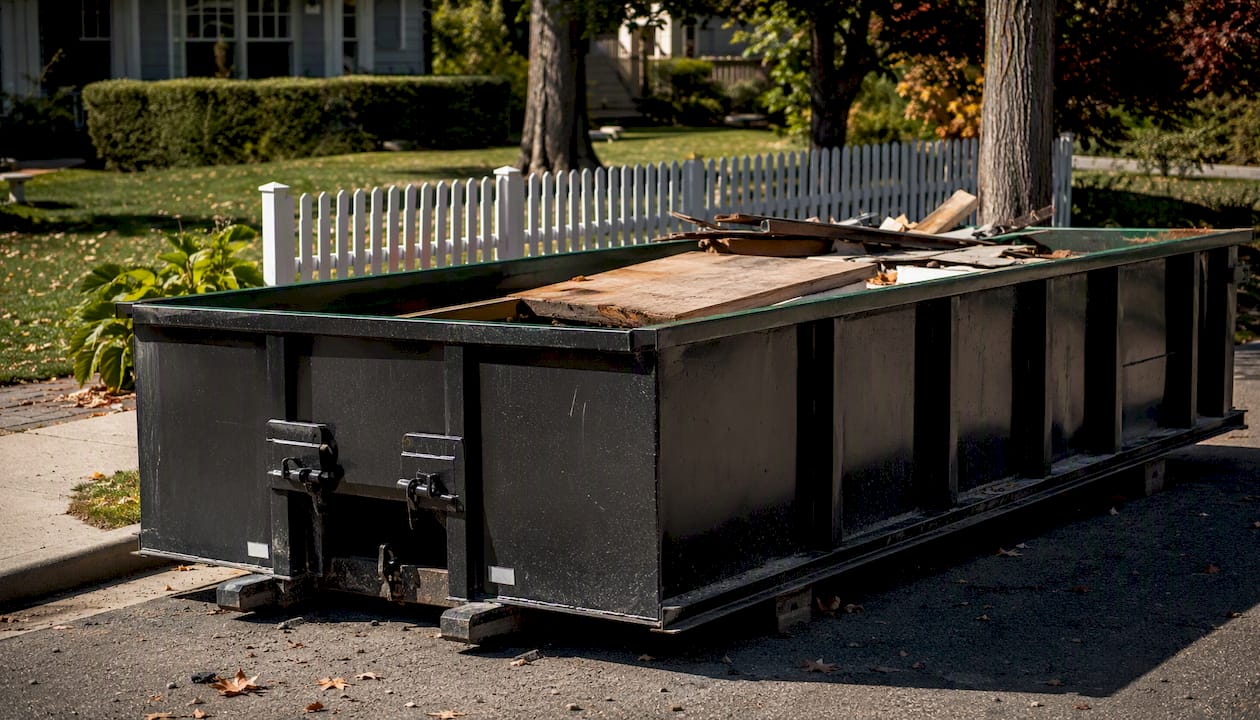
Roll-off dumpster rental puts you in control of loading. You rent a container (typically 10–30 yards), fill it on your schedule, and the company hauls it away. Cost-effective when no hazardous materials are involved and you or your crew will do the loading. Watch the weight limits — overloaded containers carry overage fees.
Junk-haul load-out sits between the two. A crew shows up, loads everything, and hauls it away — no structural demo work involved. Ideal for interior cleanouts, appliance removal, or stripping out a space before a renovation crew arrives.
| Feature | Full-Service Demo | Dumpster Rental | Junk-Haul Load-Out |
|---|---|---|---|
| Permit handling | Yes | No | No |
| Hazardous-material abatement | Yes | No | No |
| Hauling included | Yes | Yes (pickup) | Yes |
| Same-day availability | Often | Often | Often |
| Disposal receipts | Yes | Yes | Yes |
| You do the loading | No | Yes | No |
For projects involving hiring a cleanup crew alongside demolition, coordinating both services through one provider saves scheduling headaches.
What happens during a small-scale demolition project?
Knowing the workflow keeps you from being surprised on demo day.
1. Estimate and site visit. A good quote covers scope, exclusions, permit plan, disposal method, schedule, and deposit terms. Anything missing from that list is a conversation to have before signing.
2. Pre-demo prep. You disconnect utilities (or confirm the contractor coordinates this), remove valuables and salvageable items, and clear access routes for trucks and equipment. Mark landscaping or driveways you want protected and discuss those boundaries with the crew lead.
3. Demo day. Professional teams bring specialized equipment — excavators, jackhammers, industrial dust extractors — and sequence the work to control dust and debris. Containment goes up first, then demolition proceeds from the top down or inside out depending on the structure.
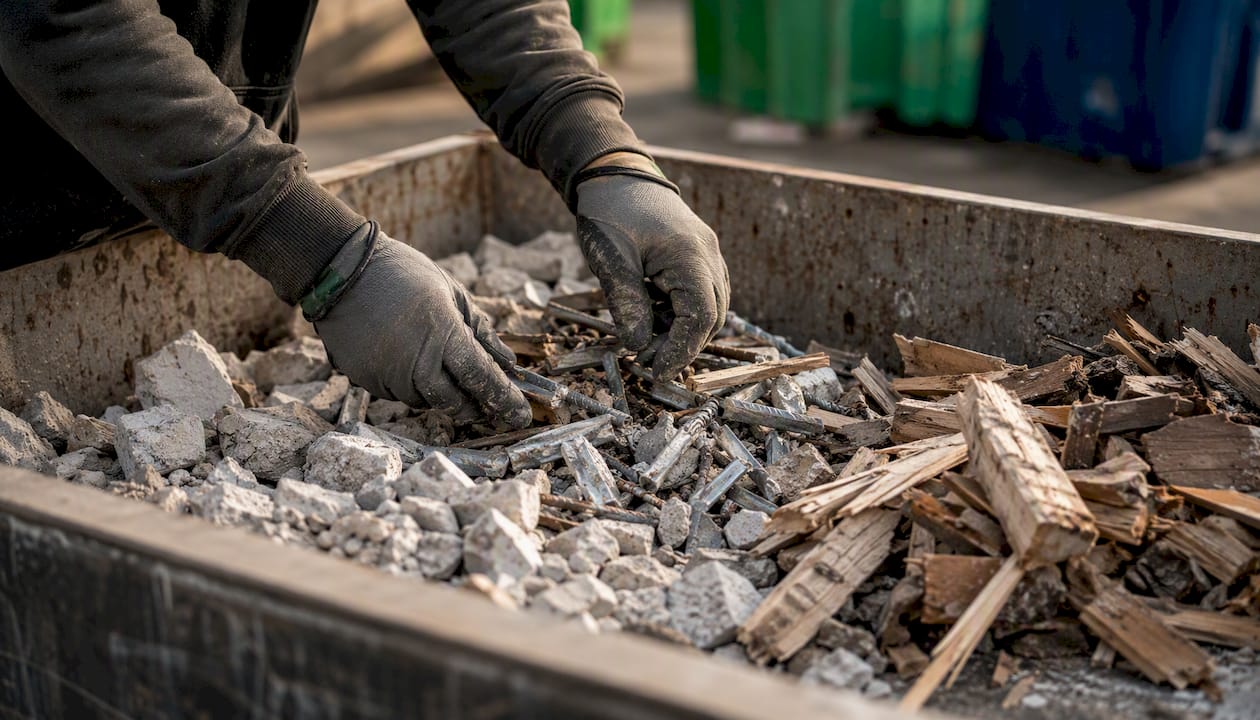
4. Hauling and disposal. Debris is sorted on-site: concrete, metal, and wood go to separate streams for recycling or certified disposal. You receive receipts confirming where everything went.
5. Final cleanup and inspection. The site is cleared, swept, and inspected before the crew leaves. Any permit-required inspections are scheduled and completed.
Pro Tip: If your home was built before 1980, budget time for asbestos testing before scheduling demo day. Results typically take two to five business days, and a positive result means abatement before any structural work begins.
What questions should you ask, and what are the red flags?
Screen every contractor with these questions before you commit:
- What is your license number, and which state board issued it?
- What are your general liability and workers' comp coverage limits?
- Do you provide a written scope with exclusions?
- Who files the permits, and is that included in the quote?
- Have you handled asbestos or lead abatement on similar jobs?
- What is your disposal plan, and will I receive receipts?
- What are your deposit and final-payment terms?
- Can you provide references for a comparable project?
Get at least two on-site estimates and verify licensing and complaint history with your state contractor board before signing anything.
Red flags that should stop you from hiring:
- Cash-only quotes with no written contract
- No proof of insurance on request
- Refusal to provide disposal receipts
- A bid dramatically lower than others with no explanation
- Contractor wants full payment upfront before work begins
How do you prepare your property before the crew arrives?
Good prep on your end keeps the job on schedule and can reduce billable time.
- Remove all valuables, personal items, and anything you want to salvage before the crew arrives
- Disconnect or confirm disconnection of electricity, gas, and water to the demo area
- Clear a path at least 10 feet wide for trucks and equipment access
- Mark driveways, irrigation lines, and landscaping you want protected
- Identify any items to donate or recycle and tell the contractor in advance
- If the structure may contain asbestos or lead, notify the contractor before the site visit so testing can be scheduled
- Confirm parking availability for the crew's vehicles and any roll-off container placement
Same-day and next-day jobs move fast. Having the site ready when the crew arrives means no wasted time and no surprise charges for access delays.
Why a local, licensed full-service crew is always the right call
Here's what most people get wrong about small-scale demolition: they treat it like a heavy-lifting problem when it's actually a compliance problem. The physical work — swinging a sledgehammer, loading debris — is the easy part. The part that creates real liability is everything around it: permits, hazardous-material handling, disposal documentation, and insurance coverage.
Piecing services together (one contractor for demo, another for hauling, a separate dumpster rental) multiplies the coordination risk. If the demo crew leaves debris the haul company won't touch, or if a permit gets missed because nobody owned that step, the delay and cost fall on you. A single full-service local crew owns the whole chain.
Local presence matters more than most people realize. A contractor who works your municipality regularly knows which inspectors require what, which disposal facilities accept which materials, and how to file permits without triggering unnecessary delays. That institutional knowledge is worth more than a slightly lower bid from an out-of-area operator.
— The.
Dumpcosolutions handles the whole job, start to finish
When you need sheds torn down, decks removed, interiors stripped, or concrete broken up and hauled away, Dumpcosolutions delivers the full package: licensed and insured crews, upfront written pricing, permit assistance, and responsible disposal with receipts.

Same-day and next-day scheduling is available for most small-scale jobs. Roll-off dumpster rentals in 10–30 yard sizes are on hand when you want to load at your own pace. Every booking comes with a written estimate, a clear scope, and no hidden fees. Disposal receipts are standard, not an add-on.
Ready to get the site cleared? Request your free estimate and a crew can be on-site as soon as tomorrow.
Sources
The following sources informed this guide's guidance on costs, permits, hazardous-material handling, and the full-service vs. DIY comparison:
- What Do Hauling and Demolition Services Actually Include? - 702 DEMO
- Pros and Cons of DIY vs Professional Demolition Services - Atlas
- DIY vs Professional Demolition | Demolition Pros
- DIY vs Professional Demolition: What's Better in Southern California? - CNS Demolition
Your next steps: Request a written quote from at least two local contractors, schedule an on-site visit, and arrange asbestos testing before demo day if your structure predates 1980.